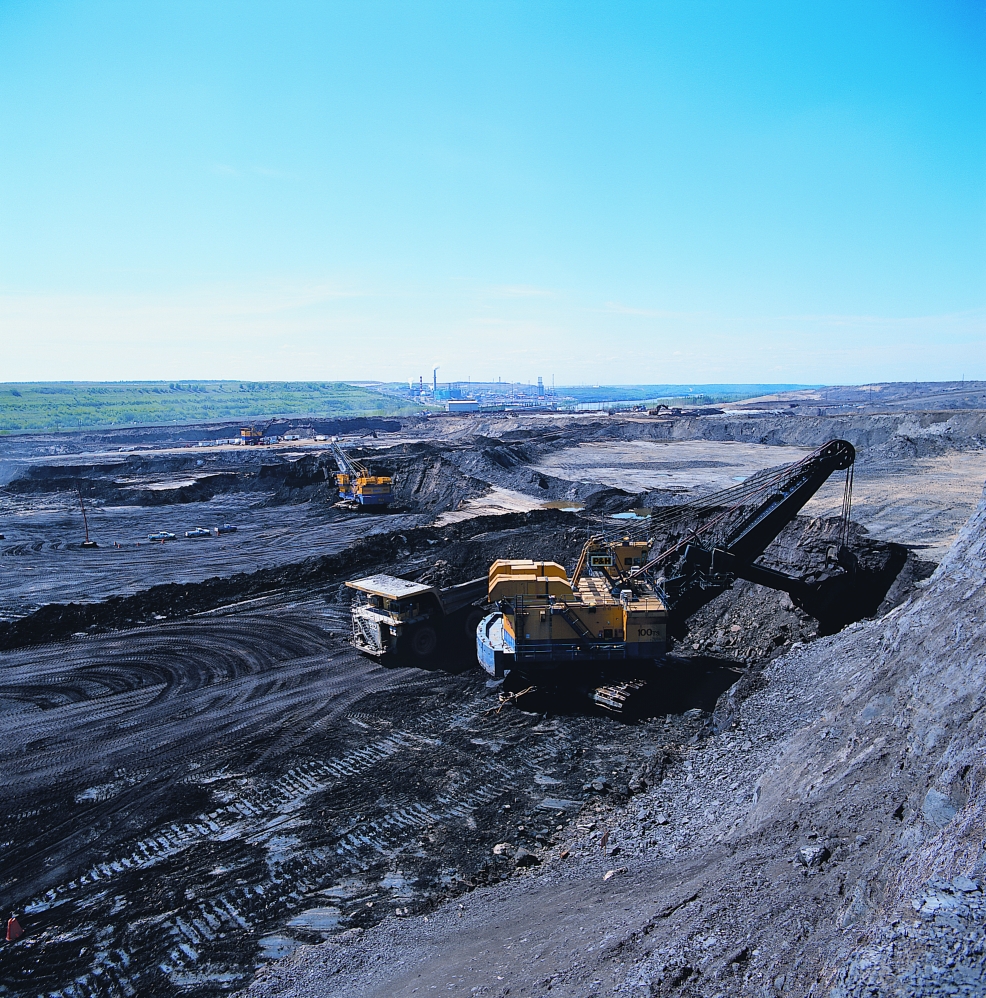
 The end of cheap oil helps renewables, but makes far dirtier alternatives viable. A low-carbon future will demand brave leadership
There are two competing explanations for today's high oil prices. One sees the price rise as the result of a temporary imbalance between supply and demand, exacerbated by a weak dollar and a bubble of speculative commodities trading. Fix these problems, adherents suggest, and the price can return to previous low levels, allowing business to continue as usual. The other sees the current price spike as symptomatic of a much deeper crisis, one that could end life as we know it in the rich, consuming west as global supplies of cheap oil begin to run short, not temporarily, but for ever. As Chris Skrebowski, editor of the UK Petroleum Review, puts it: "This is what I would describe as the foothills of peak oil." More >>>

